Navigating the World of Cannabis for Pets: What Every Pet Owner Should Know
A Growing Trend in Pet Care
Over the past few years, I have watched the conversation around cannabis for pets shift from a fringe topic to something that comes up regularly in veterinary circles and pet owner forums. My own experience began when my elderly Labrador started showing signs of joint stiffness that conventional medications did not seem to touch. A friend mentioned hemp treats, and I started researching. What I found was a complex landscape where genuine therapeutic potential meets serious safety concerns. This article distills what I have learned, both from my own journey and from talking to veterinarians and researchers.
The key is understanding that we are not talking about giving your pet a joint. The phrase cannabis for pets almost always refers to hemp-derived CBD products, nutraceutical chews, and other formulations that contain minimal to no tetrahydrocannabinol, the psychoactive compound in cannabis. These products aim to support the endocannabinoid system that exists in all mammals, including dogs and cats.
The Science Behind the Trend
Every mammal has an endocannabinoid system, a network of receptors and neurotransmitters that helps regulate mood, pain sensation, appetite, and immune function. Phytocannabinoids like CBD interact with this system without producing the "high" associated with THC. This is why researchers and veterinarians are increasingly interested in pet CBD and related products. The idea is that by supporting the endocannabinoid system, we might help manage conditions like canine anxiety, chronic pain, and even certain neurological issues.
One concept I encountered in my research is canine endocannabinoid deficiency. Some practitioners believe that chronic stress, poor diet, and environmental factors can deplete a dog's natural endocannabinoid levels, leading to heightened anxiety or pain sensitivity. While this theory is still being studied, it aligns with what I observed in my own dog after several weeks of using a high-quality hemp-derived CBD oil. His stiffness seemed to ease, and he was more willing to go for short walks. I cannot claim it was a cure, but the change was noticeable enough that I continued the regimen under veterinary guidance.
Understanding the Product Landscape
When I first started looking into cannabis for pets, I was overwhelmed by the variety of products. Here is a quick breakdown of what is commonly available:
- Hemp treats and edible treats: These are typically baked goods or soft chews infused with hemp-derived CBD. They are easy to administer and often come in flavors pets enjoy.
- CBD oil or tinctures: These can be added to food or given directly. They offer flexibility in dosing but require careful measurement.
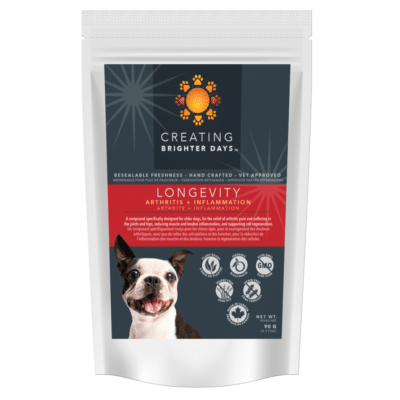
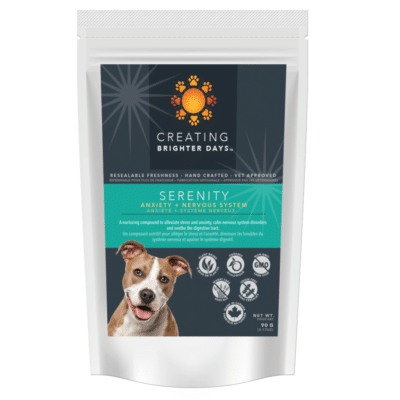
- Nutraceutical chews: These combine CBD with other supportive ingredients like glucosamine, chamomile, or melatonin for targeted effects such as joint support or calming.
- Topical balms and salves: These are applied to the skin and are often used for localized pain or skin conditions.
Each type has its own considerations regarding absorption, duration of effect, and ease of use. I have found that nutraceutical chews are particularly popular because they combine convenience with a predictable dose. However, oils allow for more precise adjustments, which can be important given that pet pharmacokinetics vary widely between animals.
Safety First: The Critical Warnings
I cannot overstate the importance of pet safety when considering these products. The American Veterinary Medical Association has issued clear guidance that products containing significant amounts of THC are dangerous for pets. THC toxicity in dogs can cause disorientation, vomiting, lethargy, and in severe cases, seizures or coma. This is why reputable products marketed for pets contain only trace amounts of THC, typically less than 0.3 percent, and rely on hemp-derived CBD as the active ingredient.
Even with CBD-only products, there are risks. Dosing guidelines are not yet standardized, and what works for one dog may be too much or too little for another. Factors like weight, age, metabolism, and the specific condition being addressed all play a role. I learned this the hard way when I gave my cat a dose that was appropriate for a small dog. She became drowsy and refused food for a day. Fortunately, she recovered fully, but it was a stark reminder that feline wellness requires its own approach. Cats are especially sensitive to certain compounds, and many products formulated for dogs are not safe for cats.
Practical Considerations for Pet Owners
If you are considering these products for your own pet, here are some steps I recommend based on my experience and conversations with professionals:
- Consult your veterinarian first. Some vets are knowledgeable about veterinary cannabis and hemp-derived CBD, while others are not. Ask specifically about their experience with these products. If they are not comfortable, seek a second opinion from a vet who is.
- Start with a low dose and go slow. The principle of "start low and go slow" applies here more than anywhere. Observe your pet for several days before increasing the amount.
- Choose products with third-party lab testing. Reputable brands will provide certificates of analysis that confirm the CBD content and verify that THC and contaminants are within safe limits.
- Watch for interactions with other medications. CBD can affect how the liver processes certain drugs. If your pet is on any prescription medication, ask your vet about potential interactions.
One product category I have found particularly useful is pet focus herbals, which combine CBD with herbs like chamomile, valerian, or ashwagandha. These formulations are designed to support calmness and mental focus without drowsiness. I have used them before car trips with my dog, and they seemed to reduce his panting and restlessness.
What the Research Says
The scientific literature on cannabis for pets is still in its early stages, but the existing studies are promising. Some research suggests that CBD has neuroprotective properties, which could be relevant for aging pets or those with neurological conditions. Other studies have looked at CBD for osteoarthritis in dogs, with positive results in reducing pain and improving mobility. However, much of the evidence is anecdotal or comes from small trials. The American Veterinary Medical Association has called for more rigorous studies to establish clear dosing guidelines and safety profiles.
It is also worth noting that the legal status of these products varies by jurisdiction. In many places, hemp-derived CBD with less than 0.3% THC is legal for pets, but THC-containing products are not. Always check local laws and buy from reputable sources. A store like Kush Station, which specializes in cannabis and related products, also carries pet health items including nutraceutical pet treats, and can be a good resource for finding quality products.

Final Thoughts from Experience
My journey with cannabis for pets has been one of cautious optimism. I have seen genuine improvements in my dog's quality of life, but I have also made mistakes and learned from them. The key is to approach it with the same care you would any other health decision for your pet. Do your research, talk to professionals, and pay close attention to how your individual animal responds. The field is evolving quickly, and what we know today may be refined tomorrow. But for now, the potential benefits for conditions like canine anxiety, chronic pain, and age-related decline are real enough to warrant serious consideration, as long as pet safety remains the top priority.